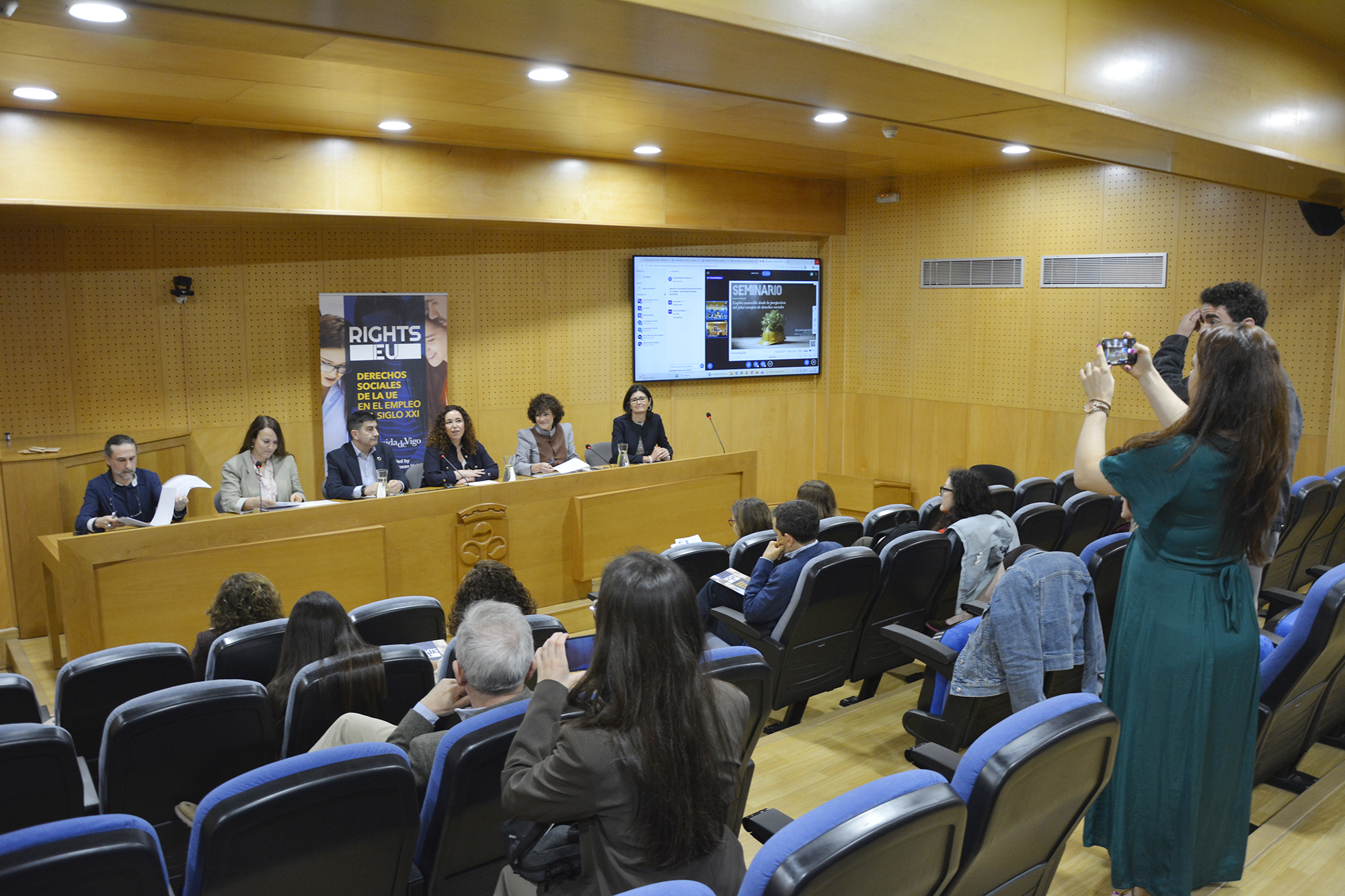
Artificial intelligence is transforming the organisation of work and the way companies make decisions. From scheduling working hours to monitoring performance, digital tools are playing an increasingly important role in workforce management. These developments raise a fundamental question: how can technological innovation be made compatible with the protection of workers’ rights?
The debate has gained renewed relevance following the publication, on 14 October 2026, of new European Commission Eurobarometer findings on the use of artificial intelligence and algorithmic management in European companies.
According to the survey, 42% of the companies consulted already use artificial intelligence tools or algorithmic management systems. Their applications include monitoring performance and productivity, as well as planning and scheduling work.
Algorithmic management refers to digital systems that help organise work or support decisions concerning tasks, working hours, performance or staff allocation. While these tools can improve certain processes, their use also raises questions about decision-making transparency, privacy and the role of human oversight in workplace management.
The challenge is not simply to determine which tasks can be automated, but also to establish how these tools should be used and what safeguards should accompany their implementation. Transparency, data protection and respect for fundamental rights are essential to addressing the digital transformation of work from a legal and social perspective.
Digitalisation at work: a challenge for social rights

The growing use of these technologies calls for reflection on the scope of employers’ managerial authority when automated systems are involved, workers’ ability to understand decisions that affect them, and the role that human oversight should retain.
In this context, the European regulatory framework, including the General Data Protection Regulation and the Artificial Intelligence Act, is relevant to the analysis of certain applications of these tools. European initiatives addressing job quality and digital transformation also contribute to the debate on protecting labour rights in increasingly technology-driven workplaces.
RIGHTSEU: exploring the challenges of digital transformation
These issues are directly connected to RIGHTSEU Module 7, dedicated to Digitalisation and Telework, which will begin on 5 November 2026.
The sessions will address the legal and social challenges arising from the integration of new technologies into employment relationships, with particular attention to artificial intelligence, employers’ managerial authority, workers’ rights and the challenges posed by the digitalisation of the workplace.
Examining these issues places digital transformation at the centre of a broader discussion about the future of work and the protection of social rights in the European Union.
Through RIGHTSEU, the aim is to encourage reflection and deepen understanding of these challenges, fostering a critical perspective on the changes reshaping employment relationships in the twenty-first century.