



Telework and the right to disconnect: when the working day does not end with the computer
Replying to an email after dinner, checking a work message at the weekend or feeling the need to keep an eye on a phone in case something urgent comes up. These situations illustrate one of the contradictions of digital work: the tools that make working more flexible can also extend the working day beyond its…
Read more
Who manages work when an algorithm does? Artificial intelligence and labour rights in Europe
Artificial intelligence is transforming the organisation of work and the way companies make decisions. From scheduling working hours to monitoring performance, digital tools are playing an increasingly important role in workforce management. These developments raise a fundamental question: how can technological innovation be made compatible with the protection of workers’ rights? The debate has gained…
Read more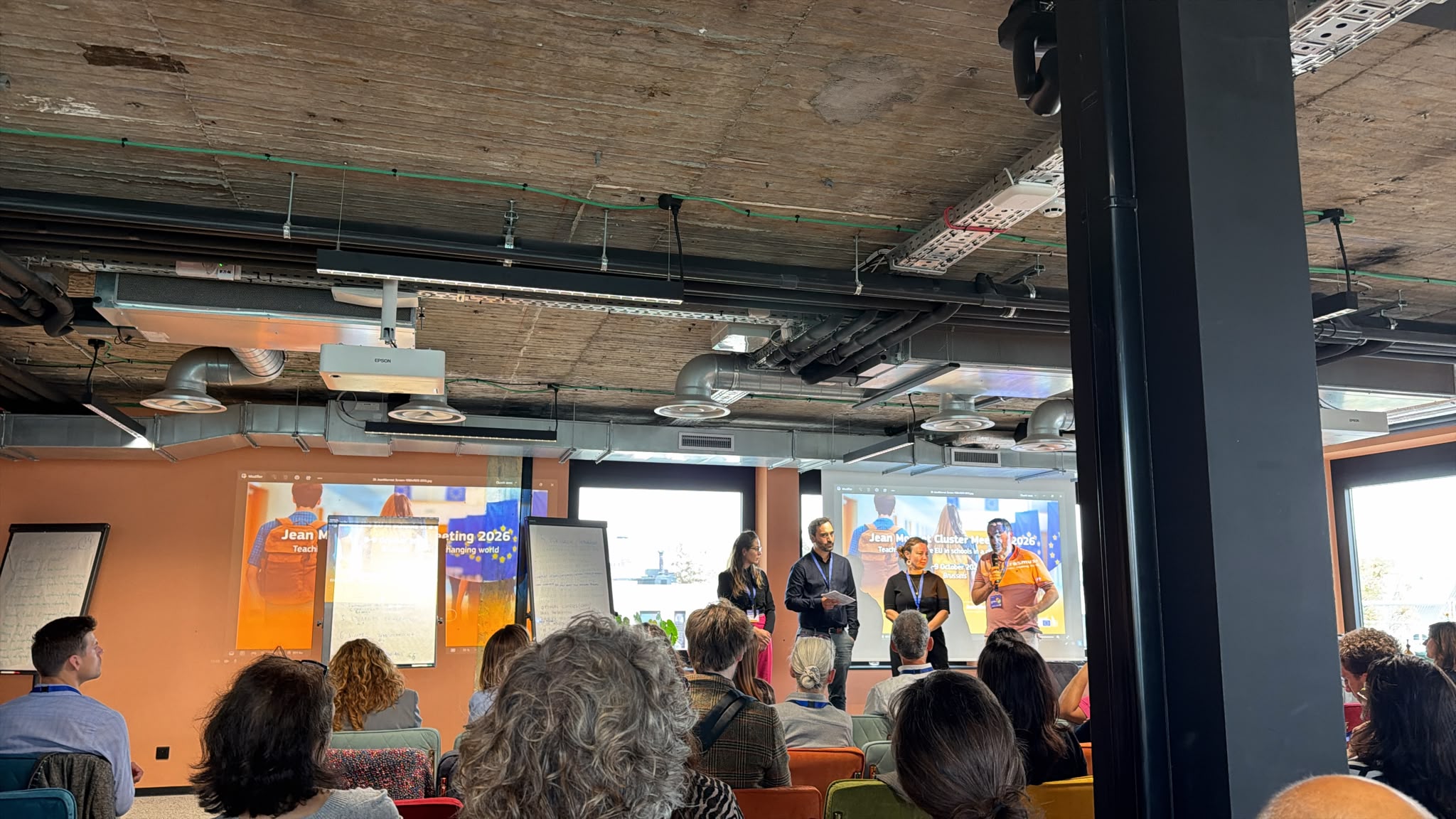
RIGHTSEU Participates in the Jean Monnet Cluster Meeting 2026 in Brussels
On 8 and 9 October, Brussels hosted the Jean Monnet Cluster Meeting 2026, held under the theme “Teaching EU Studies at schools in a changing world”. Emma Rodríguez Rodríguez, coordinator of the RIGHTSEU project (The central role of the European Union’s social rights in employment in the twenty-first century), participated in the event on behalf of…
Read more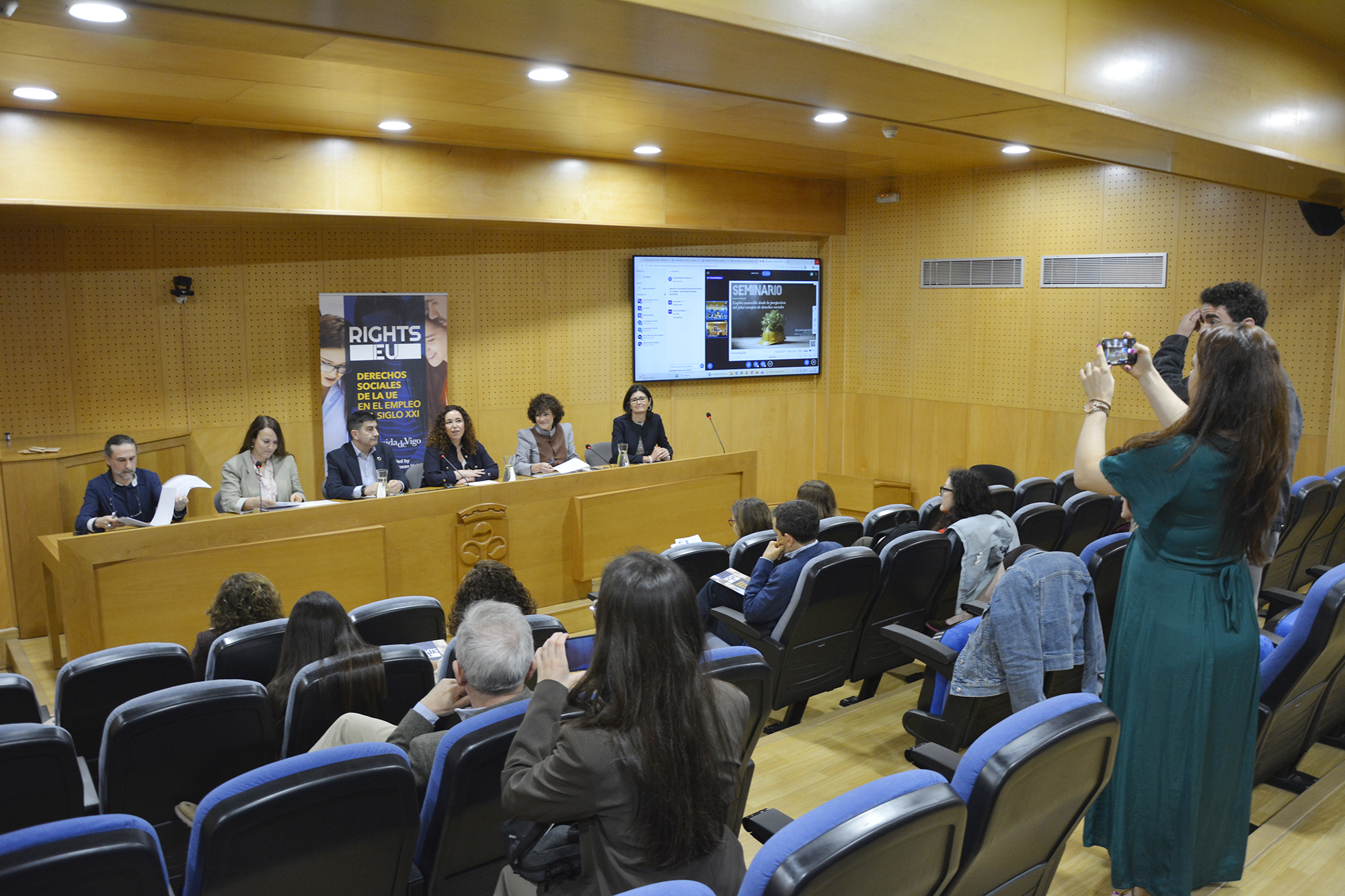
The international seminar “Sustainable Employment from the Perspective of the European Pillar of Social Rights”
The 2nd International Seminar was held on April 23rd and 24th at the Faculty of Law on the Ourense Campus The Faculty of Law at the Ourense Campus was transformed into a space for academic reflection and international dialogue on April 23 and 24, focusing on one of the major contemporary challenges facing the European…
Read more
Shaping the Future of Skills: European Commission Launches Call for Evidence on New VET Strategy
The Directorate-General for Employment, Social Affairs and Inclusion of the European Commission at Brussels has officially opened a call for evidence to inform the development of a new European Strategy for Vocational Education and Training (VET). As Europe navigates the green and digital transitions, ensuring a highly skilled workforce is paramount to maintaining global competitiveness. This new…
Read more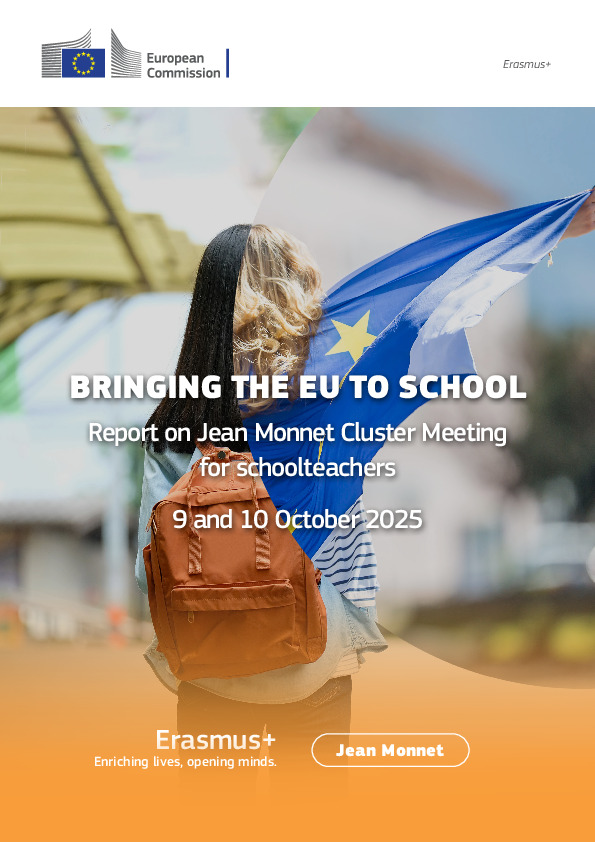
EACEA publishes the conclusions of the sectoral meeting for teachers held in October
We are pleased to share a key resource for the education community. The European Education and Culture Executive Agency (EACEA) of the European Commission has released a comprehensive report following the Cluster meeting for teachers held last October. The report “Bringing the EU to school” encapsulates the rich discussions and strategic insights gathered during the event, offering a roadmap…
Read more